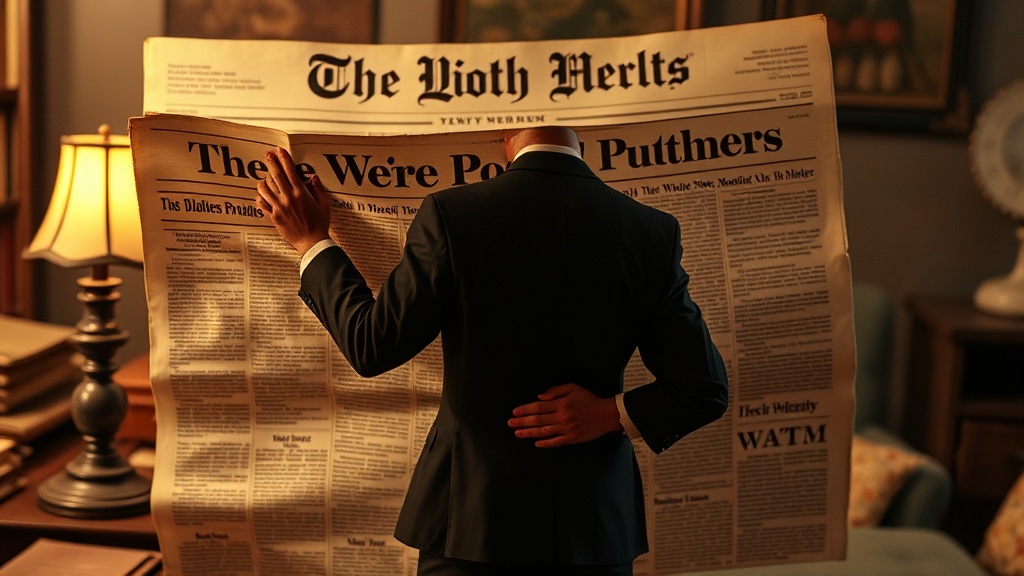
Why Your '1865' Newspaper Might Be a 1970s Souvenir

You’re scanning the bottom shelf of an Oakland thrift store when a yellowed headline catches your eye: the Titanic has sunk. It’s priced at five dollars, and the paper looks old—brittle, even. But before you get excited about a rare find, you need to check if you’re holding a genuine piece of history or a common 'souvenir' reprint from the 1960s. Understanding the physical traits of authentic wood-pulp paper vs. modern offset printing is the best way to keep your collection honest.
What does the paper feel like under your thumb?
Authentic newspapers from the mid-to-late 19th century were often printed on high-acid wood pulp paper. Over time, this material becomes incredibly fragile—it’ll literally flake off in your hands if you aren’t careful. Modern reprints (even those from forty years ago) usually feel smoother and more flexible. If you can fold the corner without it snapping or cracking, it’s likely a reproduction. Real antique newsprint has a specific, musty scent that’s hard to fake; it’s the smell of slowly decomposing lignin.
Is the ink sitting on top or soaked in?
Grab a magnifying glass—or just use your phone’s camera to zoom in close. On a real 19th-century newspaper, the ink is often slightly raised or has a visible 'bite' into the paper from the heavy press. You might even see tiny variations in the letters where the ink didn't hit perfectly. Modern reprints use