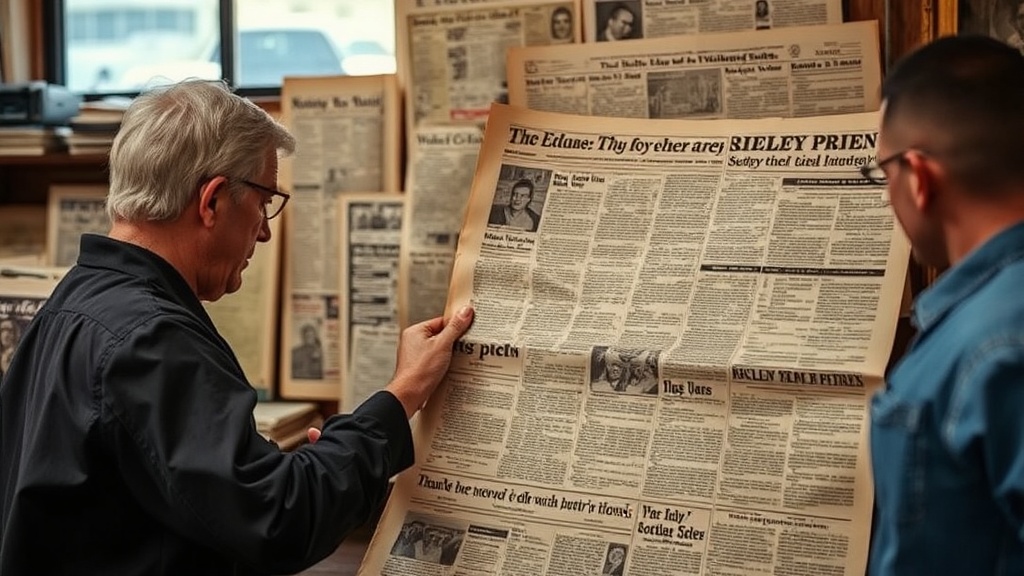
Evaluating the Condition of Vintage Newsprint Before You Buy

Imagine holding a heavy, cream-colored broadsheet from 1924. The edges are slightly frayed, and there's a faint scent of aged paper, but the ink remains strikingly dark. You wonder: is this a well-preserved piece of history, or is it slowly crumbling into dust in my hands? Understanding the physical state of a vintage newspaper is the difference between a prized collection and a pile of useless debris. This guide focuses on the specific markers of quality, aging, and damage that every collector should look for before spending a single cent.
When you browse auction sites or local estate sales, the description often uses vague terms like "good condition" or "vintage charm." These phrases tell you very little about the actual structural integrity of the newsprint. A newspaper might look beautiful from a distance, but a closer look can reveal hidden flaws that make it nearly impossible to preserve. You need to look beyond the headline and check the texture, the color, and the structural stability of the paper itself.
What are the signs of acid-related paper decay?
The most common enemy of old newsprint is acidity. Most newspapers from the late 19th through the mid-20th century were printed on wood pulp that contains high levels of lignin. As lignin breaks down, it creates acid that eats the paper from the inside out. You can spot this by looking for brittleness. If the edges of the paper feel stiff or snap easily when handled, the acid levels are high. This is often accompanied by a distinct yellowing or browning, known as "foxing." While a little color change is expected, deep amber or dark brown edges usually signal that the paper is nearing its end. To see how paper chemistry works, you can research the Library of Congress preservation guidelines for more on material aging.
Watch out for "acid migration." This happens when a newspaper is stored against a more acidic material, like an old cardboard box or a cheap paper sleeve. If you see a dark line where the paper was folded or where it touched another object, that's a sign of chemical transfer. It isn't just a cosmetic issue; it's a structural one. Once the acid has migrated, that section of the paper becomes much more fragile than the rest of the sheet.
How do you identify physical damage from handling?
Physical damage isn't always about the paper's chemistry; sometimes, it's just about how people treated it over the decades. You'll frequently see several types of mechanical wear. First, look for crease breaks. A newspaper that was folded and left in a drawer for fifty years will often have cracks along the center fold. These aren't just wrinkles; they are literal breaks in the fiber-web of the paper. If a crease is deep enough, the paper will eventually split into two separate pieces.
Next, check for corner wear and "dog-ears." This is common in newspapers that were frequently read or handled in a high-traffic environment. A crisp corner is a sign of a well-preserved, lightly handled piece. If the corners are rounded, soft, or actually missing, the value drops significantly. You should also keep an eye out for small tears along the margins. While a small tear might seem minor, it's an entry point for moisture and dust, which can accelerate decay in the surrounding area.
Another thing to watch for is ink loss. Sometimes, the paper itself is fine, but the printing quality has faded. This can happen due to light exposure or poor-quality ink. If the headlines look faded or the fine print is difficult to read, the piece might have been displayed under direct light for too long. A high-quality specimen should have sharp, dark, and legible type throughout. For more technical details on paper stability, the Library of Congress preservation site offers deep dives into material-specific care.
Is moisture or water damage a deal-breaker?
Water is one of the most destructive forces for a collector. When you look at a vintage newspaper, look for tidemarks. These are wavy, discolored lines that appear where water once touched the paper. Water-damaged newsprint often feels different; it might be wavy, stiff, or even slightly swollen. If the paper feels "crunchy" or has a stiff, waxy texture, it's a sign that it has been exposed to high humidity or direct liquid contact.
Water damage often leads to mold or mildew, which is a nightmare for any collector. Look for tiny black or green spots, especially in the folds or along the edges. Mold doesn't just look bad—it can actually digest the paper fibers. If you see signs of mold, it's best to avoid that piece entirely unless you are an expert in remediation. Even if you clean it, the structural integrity of the paper is likely compromised forever. A piece with significant water stains or mold is rarely a sound investment for a long-term collection.
Before you buy, always ask the seller for high-resolution photos of the edges and the folds. A single photo of the front page doesn't show the real story. You need to see the corners, the reverse side, and the areas where the paper is most likely to fail. A transparent seller will be happy to provide these details. If they are hesitant, it's a red flag that the piece might be in worse shape than described. Taking the time to vet the physical state of your finds ensures your collection stays healthy for years to come.